


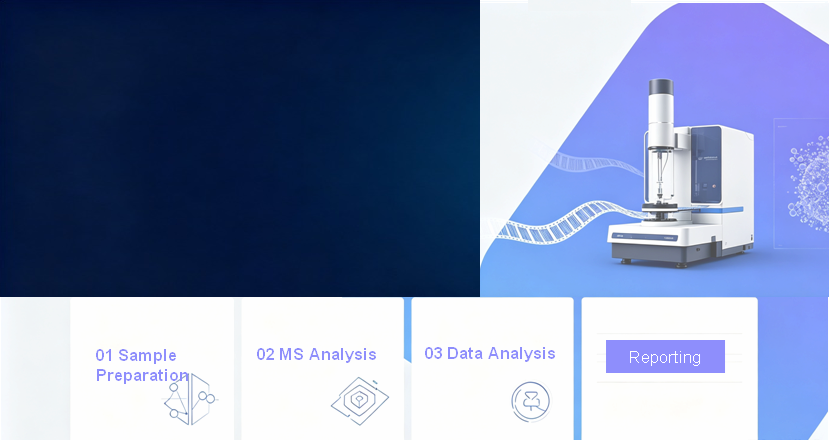
Based on our 30+ years world-class experience in proteomic analysis, our Tumor Antigen Discovery platform can de novo identify tumor specific antigens, across entire cancer genome, with many different types of mutations in cancer cells.
Cancer vaccines hold tremendous potential to transform cancer treatment by training the immune system to recognize and eliminate cancer cells. They represent a promising immunotherapeutic approach that may offer improved safety, greater tumor specificity, and more durable antitumor immune responses. However, repeated failures in numerous clinical trials have dampened enthusiasm and set the field back. For example, more than 20 clinical trials with anti-NY-ESO-1 cancer vaccine have ended with disappointing results (Ref. 1). A 6000 patient trials with Anti-MAGE-A3 vaccine fails to show clinical benefit despite significant humoral response (Ref. 2). Recently, a phase 2 trials with BNT122, a cancer vaccine co-developed by BioNTech and Genentech based on patient-specific tumor neoantigens for the treatment of resected colorectal cancer, was terminated in August 2026 (Ref. 3), and BNT113, a cancer vaccine co-developed by BioNTech, based on HPV E6/E7 derived viral- antigens, have failed to demonstrate progression-free-survival benefit in phase 2/3 AHEAD-MERIT trials for HPV16-positive head and neck squamous cell carcinoma, based on the data released on October 2026 (Ref. 4).
The primary reason for these failures is the difficulty in identifying tumor-specific antigens that can serve as effective therapeutic targets:
1). Tumor Antigens with Low Specificity. Many cancer vaccines used in the trials are based on tumor-associated antigens (TAAs), such as NY-ESO-1 and MEGA-A3, which are non-mutated self-antigens over-expressed in tumor. However, although TAA-based vaccines may elicit T cells response via low-affinity T-cell receptors (TCRs), they often fail to overcome immunological tolerance and generate effective, tumor-specific immune responses.
2). False-Positive Antigen Identification. Traditionally, tumor specific antigens (TSAs) are predicted based on the mutations identified in sequencing cancer genome and estimated peptide binding affinity to HLA I molecules in silica. However, with more than 30,000 HLA class I alleles identified in the human population and up to six different HLA class I alleles expressed by each individual, such predictions may have limited reliability in real-world applications. The validation methods used to confirm the in silica predictions such as INF-r ELISPOT assay is not sensitive and specific enough to distinguish real tumor antigens and false-positives. The false positives may not only dilute the immunological response against real antigens, but also induces immunological tolerance.
3). False Negatives Antigen Identifications. Current approaches to identifying tumor-specific antigens (TSAs) primarily focus on mutations within protein-coding regions, which account for only approximately 1.5% of the human genome. As a result, many genuine tumor antigens may be overlooked during the identification process. There are solid scientific evidence indicating the presence of tumor antigens derived from introns (~24% of human genome) and intergenic regions (~75% of human genome), since accumulation of genetic and epigenetic variations in cancer cells often lead to aberrant gene splicing, transcription, and translation, that will generate a new pool of HLA ligands. Also, human endogenous retroviral elements (HERVs), which constitute 8% of the human genome, may also be aberrantly activated and creating a novel pool of tumor specific antigens.
The most effective approach to overcome these challenges is to directly identify and sequence HLA-presented peptides on the surface of cancer cells using LC-MS/MS. This approach enables the identification of naturally presented tumor antigens while substantially reducing false-positive and false-negative results. However, current LC-MS/MS-based HLA peptidomics approaches rely heavily on reference protein sequence databases to interpret MS/MS spectra and are generally unable to identify novel cancer-specific antigen sequences.
Over the past five years, PROTTECH has been developing innovative experimental and computational technologies based on LC-MS/MS to identify cancer-specific antigens. Based on our 30+ years world-class experience in proteomic analysis, such as NanoLC-MS/MS, antibody de novo sequencing, protein mutation analysis, HLA pepdidomics (Ref. 5), our Tumor Antigen Discovery platform can de novo identify tumor specific antigens, across entire cancer genome, with many different types of mutations in cancer cells.
Type of Cancer Samples for analysis: fresh tissue, blood (with anticoagulant) samples or ascites/pleurol effusion.
Sample Amount: ~5x10E7 cancer cells.
Turn Over Time: 30-60 days.
Results to deliver: TSA peptide sequences identified and validated.
Pricing: $4900 per cancer sample for the successful identifications of tumor antigens; No charge if fails.
Please contact us for our Tumor Antigen Discovery Service.
Reference 1: Thomas, R. et al. NY-ESO-1 based immunotherapy of cancer: current perspectives. Front. Immunol. 9, 947 (2018). [Abstract]
Reference 2: Dreno, B. et al. MAGE-A3 immunotherapeutic as adjuvant therapy for patients with resected, MAGE-A3-positive, stage III melanoma (DERMA): a double-blind, randomised, placebo-controlled, phase 3 trial. Lancet Oncol. 19, 916–929 (2018). [Abstract]
Reference 3: ClinicalTrials.gov, [NCT04486378]
Reference 4: ClinicalTrials.gov [NCT03418480]
Reference 5: Shih, N.R., Nong, T., Murphey, C. et al. HLA class I peptide polymorphisms contribute to class II DQβ0603:DQα0103 antibody specificity. Nat Commun 15, 609 (2024) [Abstract]
Related Service & Products